









glass wool and rock wool
2025-10-10
When choosing the right insulation material for your project, glass wool and rock wool are two of the most common choices. Both of them are high-efficiency inorganic fiber insulation materials, but they differ in their characteristics. Understanding their similarities and differences is the key to making the best decision.
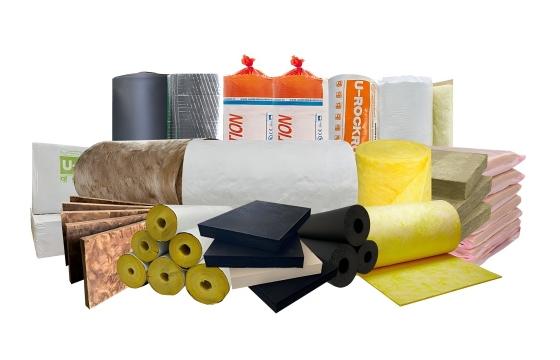
Key Differences and Comparisons
Although they are similar in appearance, they are actually two different materials.
1. Raw Materials and Manufacturing Process
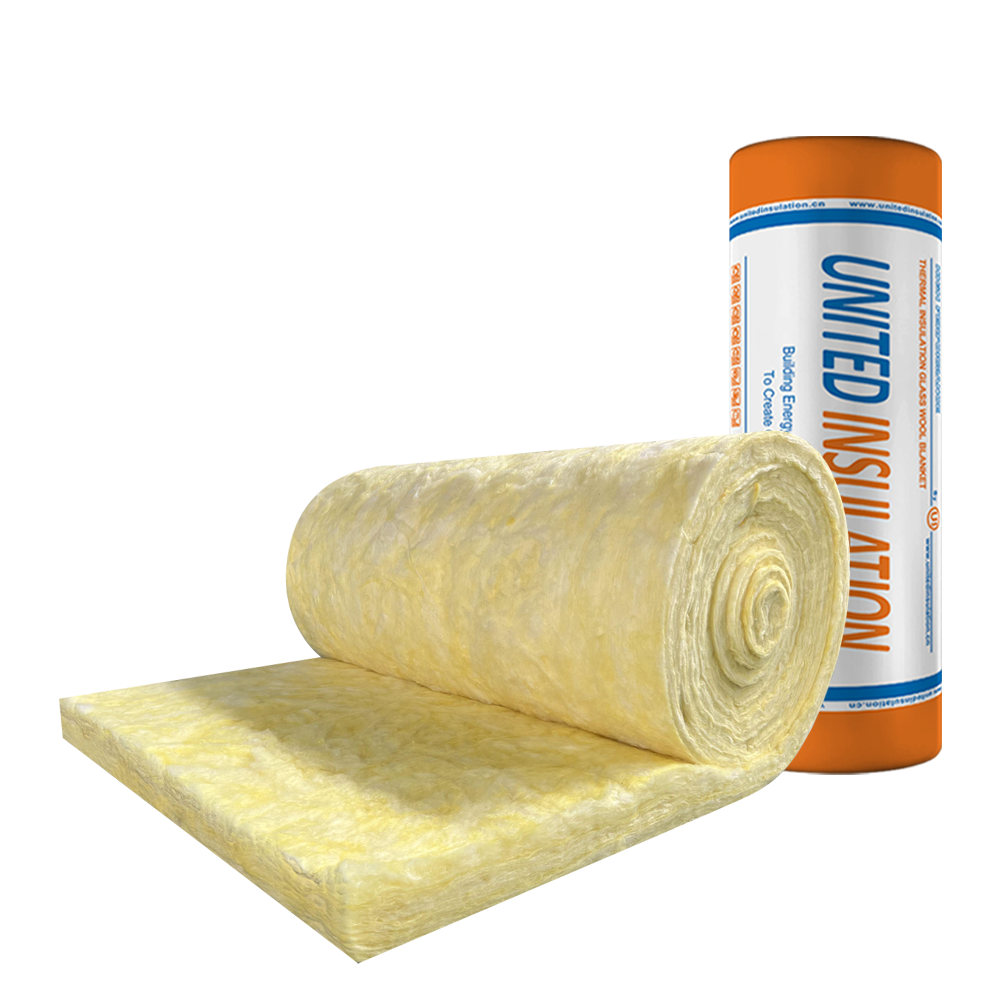
Glass wool: The main raw materials are glassy materials such as quartz sand, crushed glass, and soda ash. After being melted at high temperatures, the fibers are produced through centrifugation.
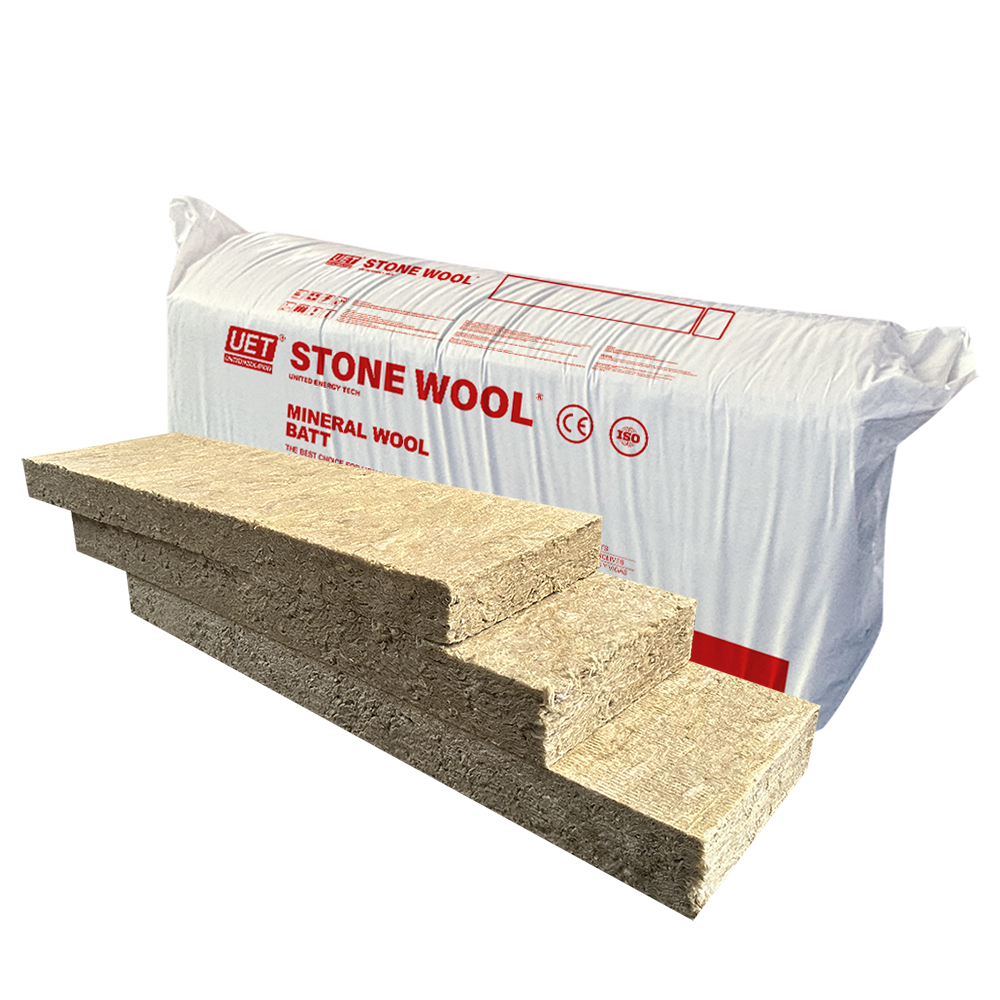
Rock wool: The main raw materials are natural rocks such as basalt and diabase. Similarly, after being melted at high temperatures, the fibers are produced through centrifugation or blowing.
In short: one comes from "glass," and the other from "rock."
2. Fiber Characteristics and Feel
Glass wool: The fibers are relatively long and thin, with a smaller average diameter. Therefore, it has a relatively soft feel, usually a lower density, and good flexibility, making it easy to install in irregular spaces.
Rock wool: The fibers are relatively short and coarse, resulting in higher strength. Therefore, the products have greater hardness, a more stable structure, and are less prone to deformation.
3. Temperature Resistance
Glass wool: Its applicable temperature range is typically between -120℃ and 400℃, commonly used in building insulation and ventilation ducts.
Rock wool: With a higher melting point, its applicable temperature range is -260℃ to 700℃, making it more common in industrial equipment, fireproofing, and other applications requiring higher temperature resistance.
4. Fire Resistance
Both are Class A non-combustible materials. However, because rock wool is made from rock with a higher melting temperature, it generally exhibits greater structural stability and integrity when facing extreme temperatures, making it a core material for fireproof barriers in buildings.
5. Sound Absorption and Thermal Conductivity
Sound Absorption: Both are excellent sound-absorbing materials. Glass wool, due to its fine fibers, performs exceptionally well in absorbing mid-to-high frequency sound waves; rock wool, due to its high density, may be more effective in isolating low-frequency noise.
Thermal Conductivity: Both have very low thermal conductivity, resulting in excellent insulation performance. At the same density and thickness, their thermal insulation performance is similar.
So how to choose based on the application scenario? Based on the above characteristics, both have different focuses in application:
Common applications of glass wool:
Building ceiling and wall insulation.
Ventilation and air conditioning duct insulation.
Sound insulation and thermal insulation for household appliances.
Applications requiring lightweight and flexible filling.
Common applications of rock wool:
Building fire barriers and load-bearing profiled steel sheet systems.
Insulation of industrial pipelines, kilns, and equipment.
Applications with strict requirements for high temperature resistance and structural strength.
External wall insulation systems.
Summary: Both glass wool and rock wool are high-performance thermal insulation and energy-saving materials. Choosing which one to use is not simply a matter of judging which is better, but rather depends on the specific needs of the project.
If you prioritize lightweight, flexibility, ease of installation, and moderate operating temperature, glass wool may be an ideal choice.If the project has higher requirements for fire resistance, high temperature resistance, and structural strength, rock wool will demonstrate its core advantages.
Our company offers both high-quality glass wool and rock wool products, aiming to provide comprehensive solutions for our clients. If you still have questions about how to select materials for your specific project, please contact our technical team for professional advice.
Related Blog
what are the benefits of glass wool?
Can glass wool get wet?
The Revolution of Changes in Glass Wool Raw Materials: From Traditional Formulas to a purer Future
What is glass wool used for?
Things about R-value
Is glass wool insulation any good?
Glass Wool Insulation Batts
United Insulation Company has launched the next-generation fireproof insulation board suitable for high-rise buildings
A Comprehensive Guide to Glass Wool Soundproofing

Unlock Global Quality: Your Trusted Fiberglass Solutions from United Insulation
Things to Remember Before Home Installation of Glass Wool
What is glass wool blanket?
UET rock wool batt: high-efficiency and energy-saving insulation material
what are the benefits of glass wool?
Can glass wool get wet?
The Revolution of Changes in Glass Wool Raw Materials: From Traditional Formulas to a purer Future
What is glass wool used for?
Things about R-value
Is glass wool insulation any good?
Glass Wool Insulation Batts
A Comprehensive Guide to Glass Wool Soundproofing
Unlock Global Quality: Your Trusted Fiberglass Solutions from United Insulation
Things to Remember Before Home Installation of Glass Wool
What is glass wool blanket?
UET rock wool batt: high-efficiency and energy-saving insulation material
contact us