








Rock Wool vs Fiberglass Insulation: Which is Better for Fire Resistance, Soundproofing & Thermal Performance? | United Insulation
2026-01-19
When considering materials for insulation and soundproofing in building construction, the leading contenders for the title of best inorganic fiber materials are rock wool and fiberglass wool. The question naturally arises: which is the better choice? According to the expertise of United Insulation, the manufacturer and exporter of both materials, the simple answer is: “There is no absolute better, only what is more suitable for your project?”
A side-by-side comparison of the basics:
- Fire-resistance: Rock wool leads the way with a melting point of above 1000℃, rated A1 non-combustible, with the rock wool safe and sound line that is used in fire-resistant partitions. Fiberglass has a Class A1 fire-resistance rating with a melting point around 400℃.
- Sound Absorption: The rock wool enjoys a slim margin here, as it is able to absorb low-frequency sounds due to its densities, thus becoming prominent in home theaters, karaoke rooms, etc. Fiber glass performs excellent at mid to high frequencies.
- Thermal Insulation: They’re virtually equal to each other in terms of heat conductivity at the same density (around 0.034 - 0.042 W/m·K).
- Construction Comfort: In this respect, a preference for comfort in building may lie with fiberglass wool due to greater ease in handling due to its softer texture, less dust, feels better when used to wrap ductwork or piping.
- Weight and cost: Fiberglass is lighter in weight and less costly.
- Impact related to health and the environment: Both classes of new products are now formaldehyde-free and do not pose any risk after installation.
Recommended Use Cases (Free Style)
- If you're working with a tall building, a steel frame, or a public area requiring serious consideration of fire safety, rock wool insulation is your first choice.
- For home improvement activities such as attic space, walls, pipes, and even budgeting, the choice of insulation is certainly fiberglass.
- When you require top-tier soundproofing (e.g., for music recording), you can't go wrong with rock wool sound proof insulation.
- For the case of ductwork systems as well as ventilation lines, the best solution would be fiberglass duct insulation.
For your rock wool and fiberglass wool requirements, United Insulation offers both EU CE certification and customized hybrids solutions to meet your requirements—everything under one roof!
FAQ 1: Which is safer—rock wool or fiberglass wool?
Both are safe when installed, devoid of any carcinogenic risk. During construction, gloves and masks are adequate measures. Although rock wool safe and sound products are moderately irritative, they have been optimized.
FAQ 2: Is rock wool better than glass wool when soundproofing?
Rock wool is good at insulating low- and mid-frequency sound and is recommended when there is a need to insulate a wall or a floor. Glass wool is good value when general residential use is required.
FAQ 3: Which to use for insulating pipes?
Fiberglass ductwork insulation is softer, more easily covered, and lighter, increasing the speed of construction. Rock wool insulation can be used on high-temperature pipes or ducts that need high resistance ratings.
Do you need rock wool or glass wool? We at United Insulation are here to help!
Related Blog
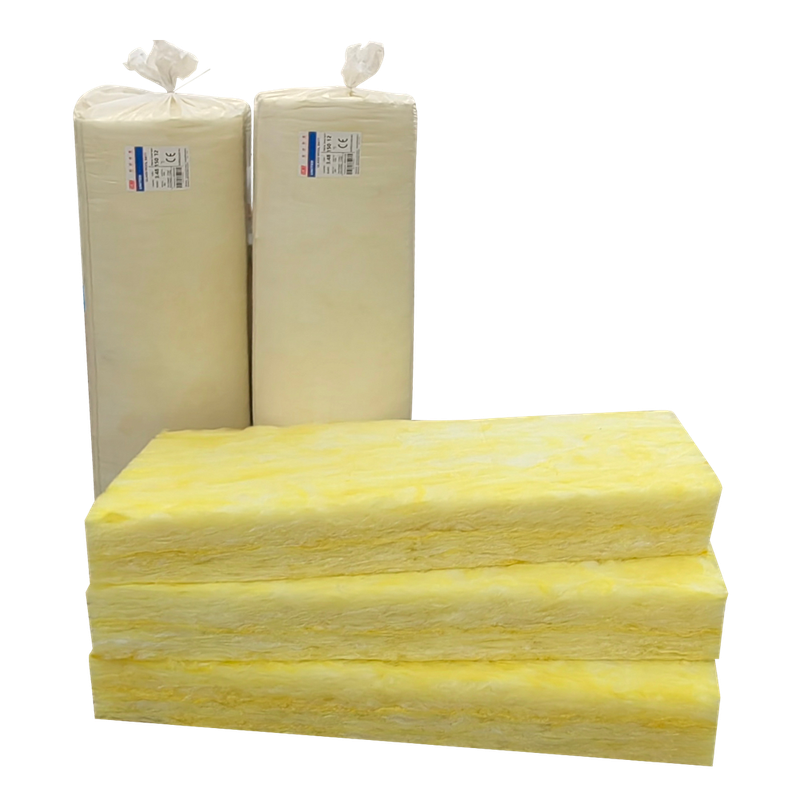
What are the pros and cons of glass wool insulation?
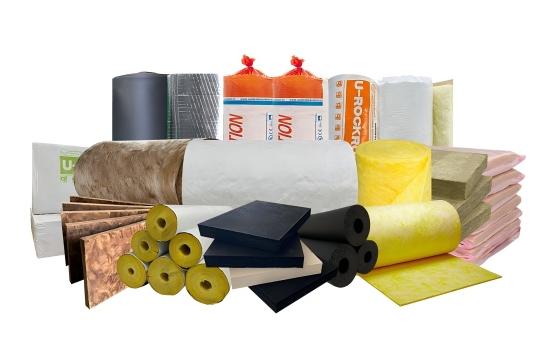
What is the healthiest insulation for a house?
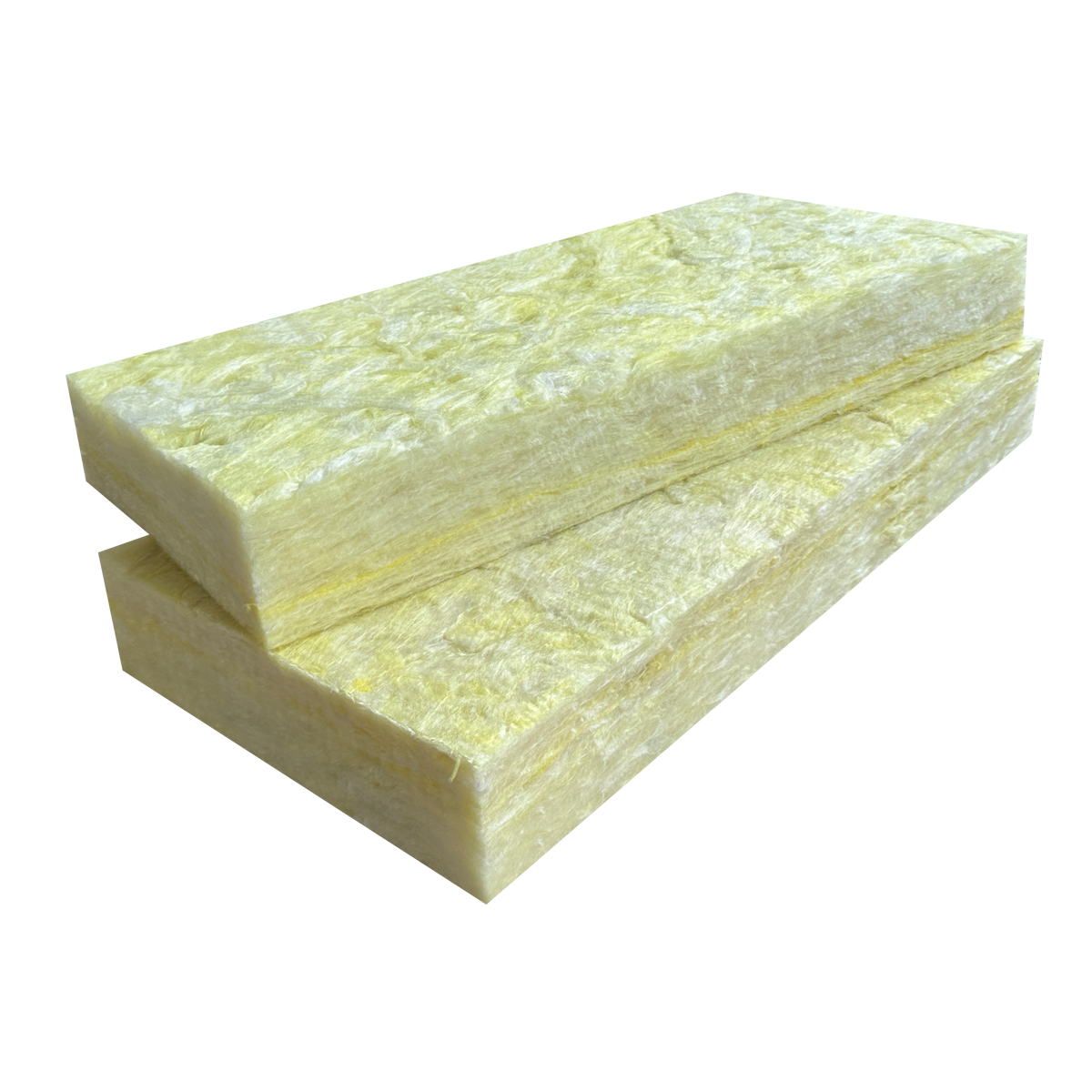
How long does glass wool last?
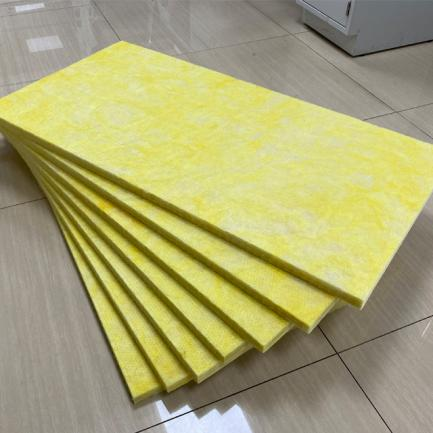
What are the side effects of glass wool? A comprehensive analysis of the safe use of insulation materials
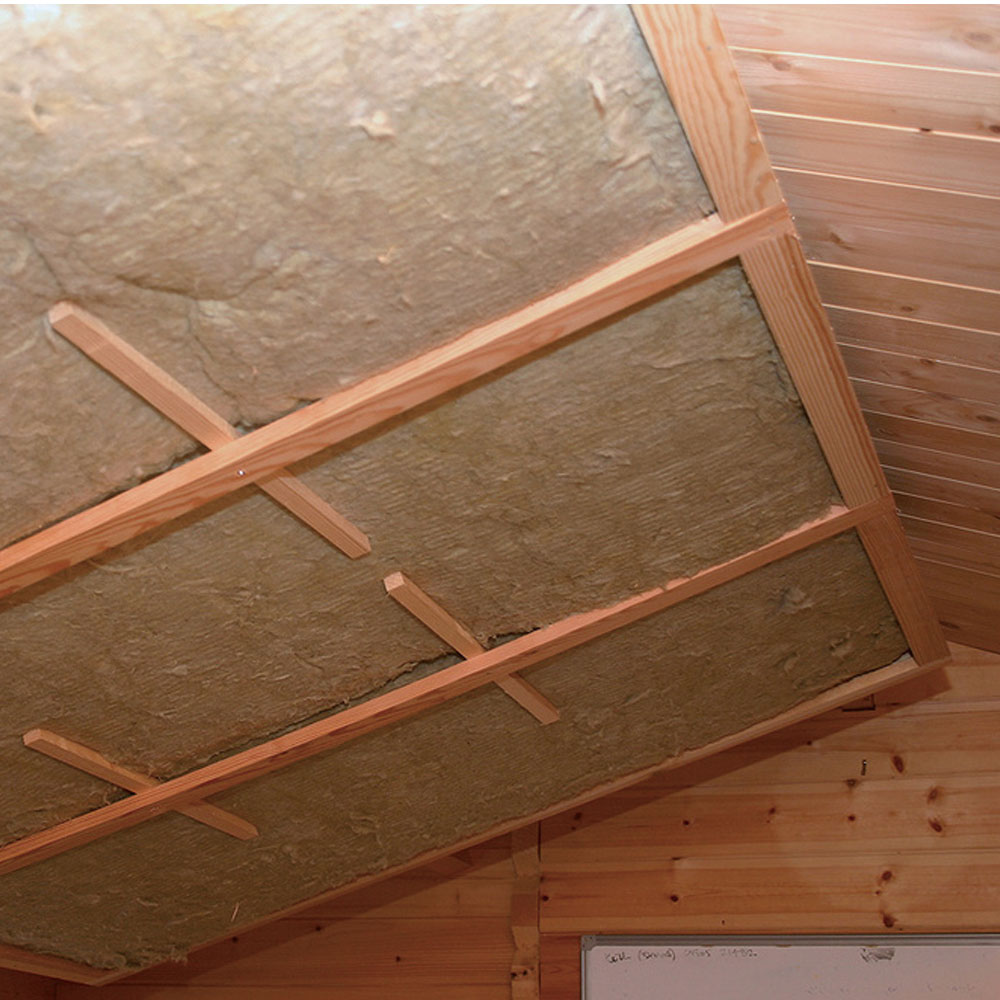
What is ROCKWOOL used for? A comprehensive guide to the world's hottest non-combustible insulation material
What are the pros and cons of glass wool insulation?
What is the healthiest insulation for a house?
How long does glass wool last?
What are the side effects of glass wool? A comprehensive analysis of the safe use of insulation materials
What is ROCKWOOL used for? A comprehensive guide to the world's hottest non-combustible insulation material
contact us