








How is Rock Wool Made? Stone Wool Production Process Explained
2026-04-16
Another term that can be used interchangeably for rock wool is stone wool. This is considered to be among the best and finest A1 grade non-flammable thermal sound insulating material. Customers frequently ask regarding the rock wool manufacturing procedure: "Can you explain the rock wool production process? Is there any difference between rock wool and glass wool production?"
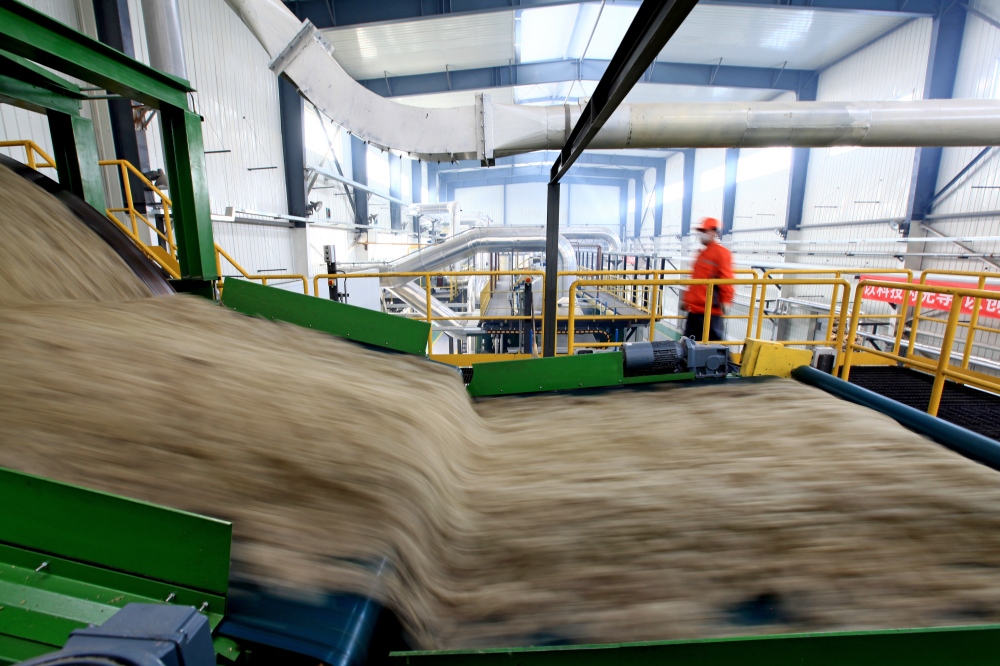
United Insulation, being an expert in rock wool and glass wool export, gives a complete description of the entire manufacturing process of rock wool:
Major Steps of Rock Wool Manufacturing:
1. Raw Material Preparation: The primary materials used in rock wool are the naturally occurring volcanic materials such as basalt and diabase (making up over 90%) along with a small amount of limestone and coke. The high melting point of the ores provides rock wool with excellent fire resistance.
2. High Temperature Fusion: Raw material is melted into magma at a very high temperature of 1500-1600℃ in a cupola furnace. This stage requires the highest amount of energy for manufacturing rock wool.
3. Centrifugal spinning: The molten lava is spun inside a high-speed centrifuge (or four-roll centrifuge), and in the strong centrifugal force and high-temperature airflow environment, it is broken into long and thin mineral fibers with a diameter of 4-7 micrometers. This process controls the flexibility of the fiber.
4. Adhesion curing: The environmentally friendly adhesive (the resin currently used in production is mainly non-formaldehyde or low-formaldehyde) is sprayed evenly on the surface of the fiber, and then it goes through a curing oven, dried, and molded at 200-250℃ to become a cotton-like felt with a certain degree of strength.
5. Processing, Lamination, and Packaging: It is then processed according to the required specifications, such as being sliced into panels, rolls, strips, or tubes. Lamination materials include aluminum foil, black felt, etc., and finally undergo quality inspection, packaging, and shipment.
While comparing with the glass wool, the rock wool is manufactured under higher temperature and makes use of natural raw material; hence, its fire resistance capacity (fireproof > 1000℃) is much higher than that of glass wool. United Insulation adopts high-tech centrifugal process to manufacture rock wool with more uniform fiber, low dust generation and good biosolubility. It has been certified by international bodies like EU CE, FM, ASTM and so on, and exported extensively into Europe, the Middle East, Australia, and other areas.
FAQ 1: What is the biggest difference between the production processes of rock wool and glass wool?
Rock wool is made by melting natural volcanic rock at higher temperatures, while glass wool mainly uses crushed glass. Rock wool has a higher fire resistance rating (A1 vs. A).
FAQ 2: Does the rock wool production process produce formaldehyde?
Modern processes generally use formaldehyde-free or plant-based binders. United Insulation's products have extremely low TVOC emissions, meeting the indoor A+ standard.
FAQ 3: How is the density of rock wool controlled?
By adjusting the centrifugal speed, binder dosage, and curing parameters, products with different densities of 40–200 kg/m³ can be produced to meet different needs for insulation, soundproofing, and fire resistance.
FAQ 4: Is stone wool production environmentally friendly?
Very environmentally friendly! Primarily using natural minerals, it boasts high recyclability, and its production process complies with stringent EU environmental standards.
FAQ 5: How to determine the quality of rock wool?
Check fiber length, uniformity, water repellency, and formaldehyde release. High-quality rock wool exhibits good resilience, low dust, and does not drip when burning.
Need high-quality rock wool boards, rock wool comfort batts, or tubular products? Contact United Insulation! With transparent manufacturing processes and 20 years of professional experience, we provide reliable insulation solutions to customers worldwide!
Related Blog
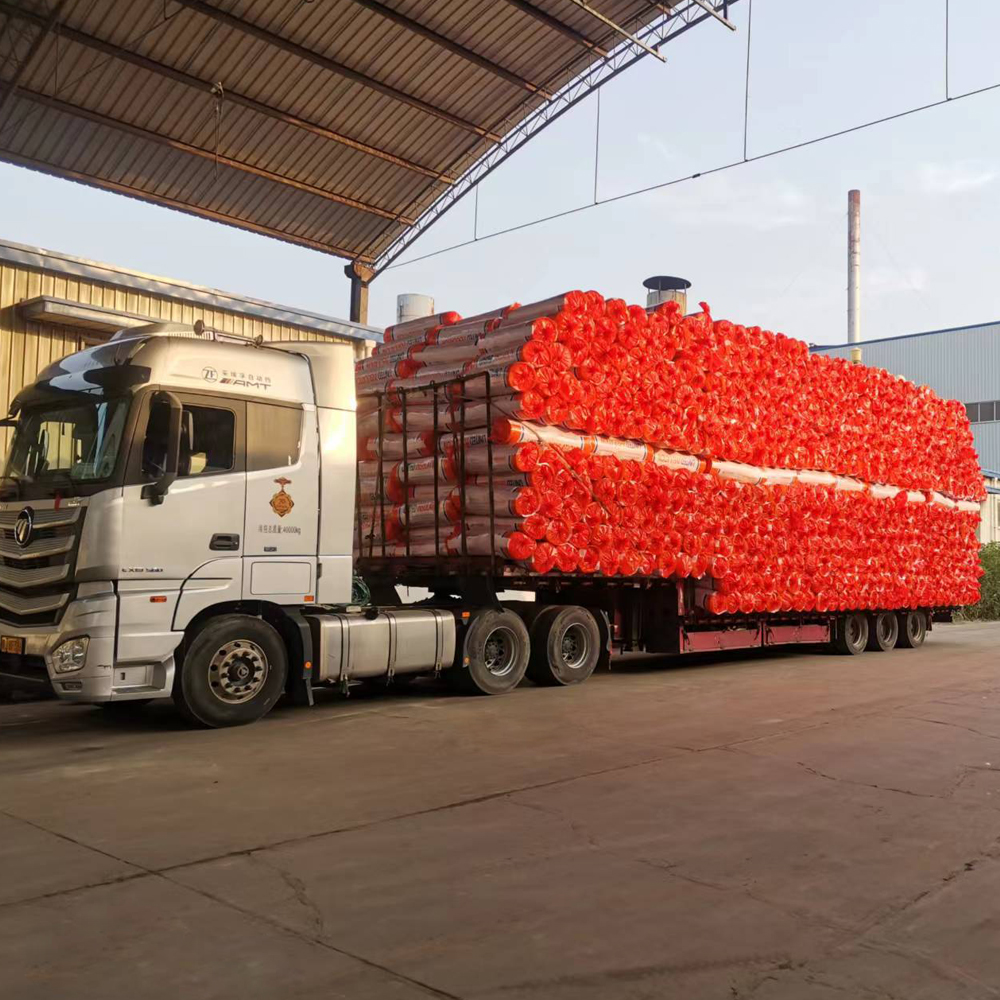
United Insulation successfully exports high-quality glass wool products to Chilean markets
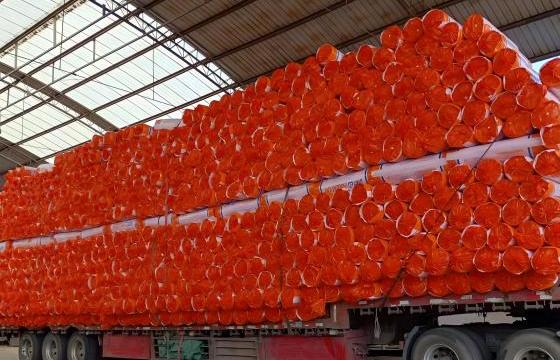
United Insulation Exports High-R Value Glass Wool to Australia, Supporting NCC 2022 Seven-Star Energy Efficiency Home Upgrades
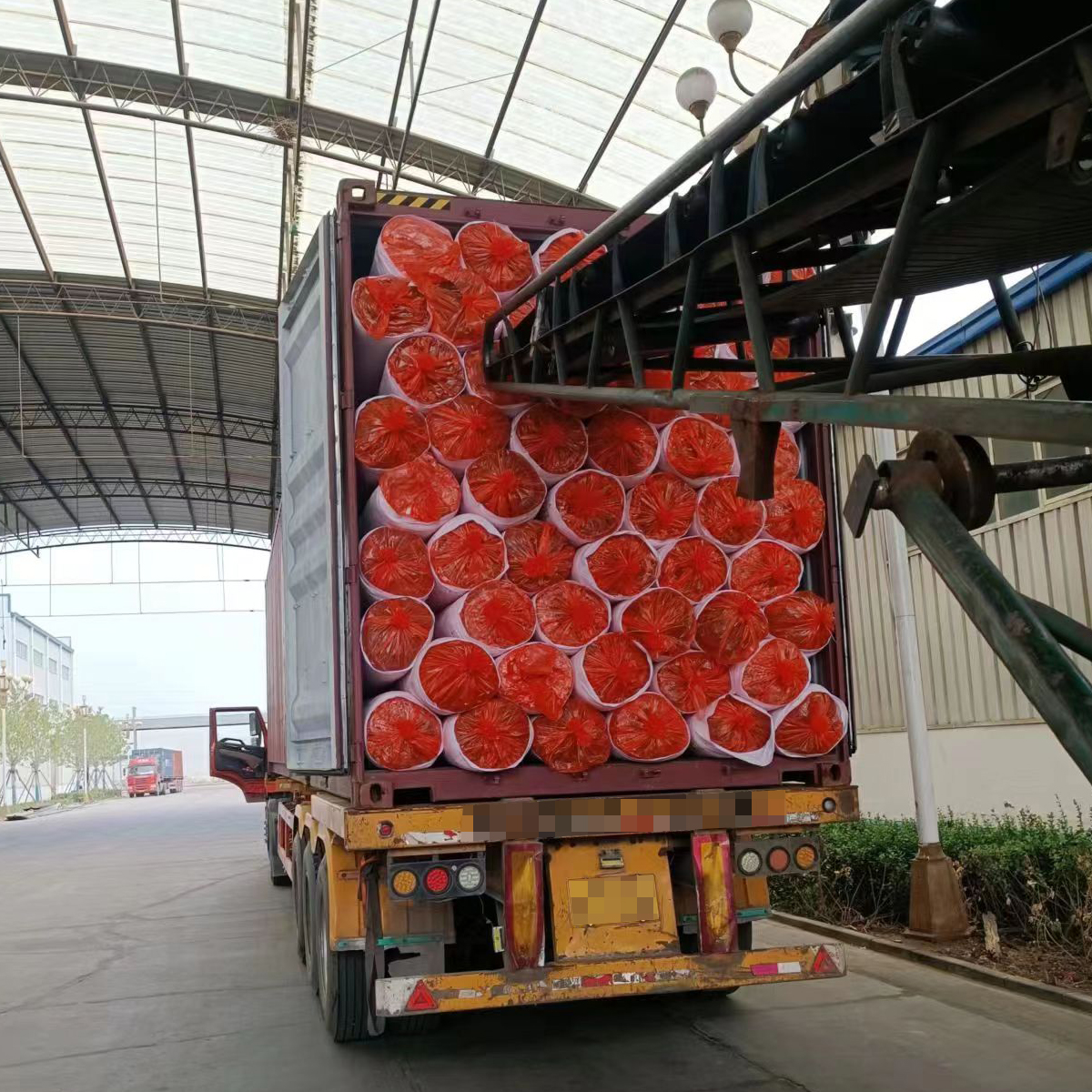
United Insulation successfully exported high-quality glass wool and rock wool products to Vietnam, continuing to deepen its presence in the Southeast Asia market
UET Glass Wool in IBS International Building Materials Exhibition
United Insulation successfully exports high-quality glass wool products to Chilean markets
United Insulation Exports High-R Value Glass Wool to Australia, Supporting NCC 2022 Seven-Star Energy Efficiency Home Upgrades
United Insulation successfully exported high-quality glass wool and rock wool products to Vietnam, continuing to deepen its presence in the Southeast Asia market
UET Glass Wool in IBS International Building Materials Exhibition
contact us