








Vapor Barrier and Insulation Facing: Key Technologies for Moisture and Mold Prevention in Insulation Systems
2026-04-18
With the development of contemporary building insulation construction, glass wool and rock wool demonstrate superior thermal insulation qualities; however, the material's porosity leads to moisture accumulation. In case condensation or water leaks occur, the accumulation of glass wool insulation moisture may lower the resistance of the insulation materials, causing mold formation and metal corrosion. The moment the insulation is compromised, the vapor barrier and facing come into play as the "invisible protector." Being an experienced insulation material provider, United Insulation in Hebei provides premium vapor barriers and aluminum foil/PE facings that block water vapor transmission, greatly improving the performance of the whole insulation system.
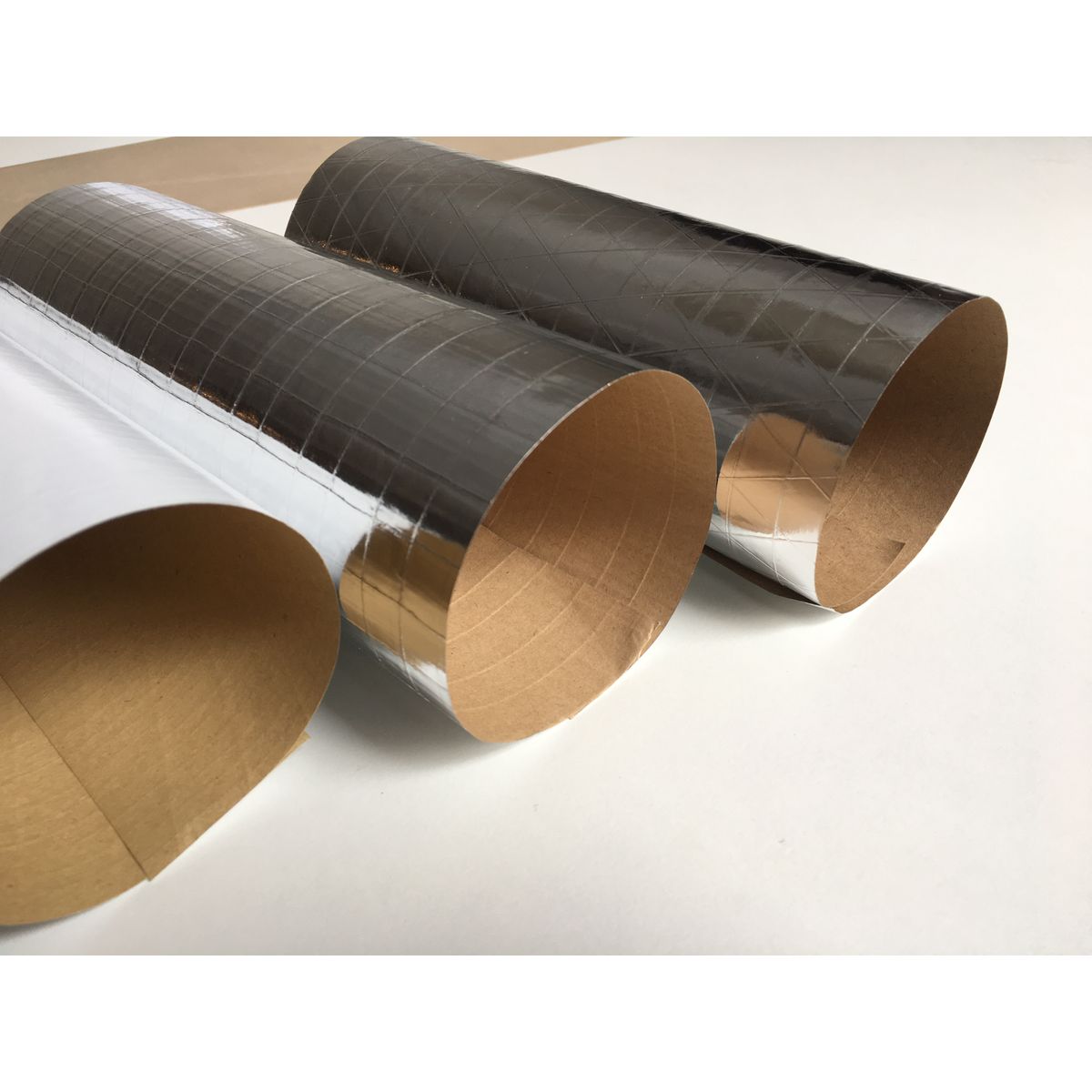
A vapor barrier can be described as a type of high-barrier film material that comprises Polyethylene (PE), Aluminum foil, and composite materials. It is primarily designed to hinder water vapor from entering into the insulation, which is especially important for regions where there are huge temperature variations like metal buildings during winter months or cold rooms. Insulation facings are mainly used for both heat reflection and moisture protection purposes. The use of commonly found aluminum foil insulation facings results in high reflective properties of radiant heat above 95% and adds another layer of protection. When used in conjunction with one another, they are able to maintain the moisture percentage of insulation material below 1%, which is very low compared to the industry standard.
There are some practical advantages of using vapor barrier and insulation facings. First, there is an energy saving and reduction in energy consumption, whereby moisture can increase the thermal conductivity of glass wool or rock wool by 30% to 50%. With appropriate use of vapor barriers, energy consumption of buildings can be decreased by 15% to 25%. Second, vapor barriers provide health protection since they are effective in protecting against the occurrence of mold and formaldehyde, thereby ensuring better indoor air quality which is ideal for houses, hospitals, and schools, all which are highly affected by moisture. Third, there is a prolonged lifespan. They protect against corrosion and deterioration of insulation layers, thus increasing the lifespan of the whole installation by at least 10 years.
The vapor barrier needs will vary according to the purpose. Aluminum vapor barriers reinforced with grid systems are preferred when used in metal buildings as roofs or walls, as they will provide structural tensile strength and reflective thermal insulation. PE vapor barriers are the right choice when residential and commercial buildings require them for installation on glass wool blankets or rock wool boards. High-temperature vapor barriers are also available for any high-temperature application like cold storage and pipelines operating at temperatures between -40°C and 120°C. All United Insulation products are tested for water vapor transmission rate (WVTR) and conform to international building codes.
There are three important considerations to remember when installing vapor barriers: First, make sure that the overlap is at least 10 cm and use special tape for sealing; second, install the vapor barrier on the warmer side (on the inside during winters), or else, you might have a problem of "reverse placement"; third, look out for any pinholes and joints right after the installation. Proper installation means that besides being energy-efficient, the installation also qualifies for LEED certification.
In summary, vapor barriers and insulation facings are no longer mere accessories to the insulation process, but rather the very technology that makes or breaks your insulation efforts. Selecting quality vapor barriers and insulation facings, as well as installing them correctly, may yield you economical and ecological dividends in the long run. United Insulation specializes in offering various kinds of vapor barriers and insulation facings. Please feel free to get a consultation from us. FAQ
1. What are the differences between a vapor barrier and an insulation facing?
A vapor barrier works to stop the process of water vapor transmission (due to its high water resistance rate) and is ideal for regions that need effective moisture proofing, while insulation facing primarily aims at heat reflection and surface protection, such as aluminum foil. Both these materials may be used independently or in combination with one another.
2. Is it essential to install a vapor barrier if glass wool or rock wool is used as insulation material?
It is highly recommended when there is high humidity in the area together with temperature variation, such as in coastal regions, in winter periods in the north, or cold stores. For interior works, especially in arid environments, it depends on the design specification, although installing it would increase its durability.
3. What is the method of checking whether the vapor barrier is of qualified quality?
The good quality of the product depends on a low water vapor transmission rate (WVTR), which should not exceed 0.01 g/ (m²·24 hours). In addition, there should be no pinholes and the report issued by the independent organization, for instance, SGS.
Related Blog
What are the side effects of rockwool?

Is rockwool water proof? insulation rock wool rock wool safe n sound faced rock wool insulation
United Insulation Successfully Exports High-Performance Rock Wool Boards to Saudi Arabia, Supporting Fire Protection and Energy Efficiency Upgrades in Buildings
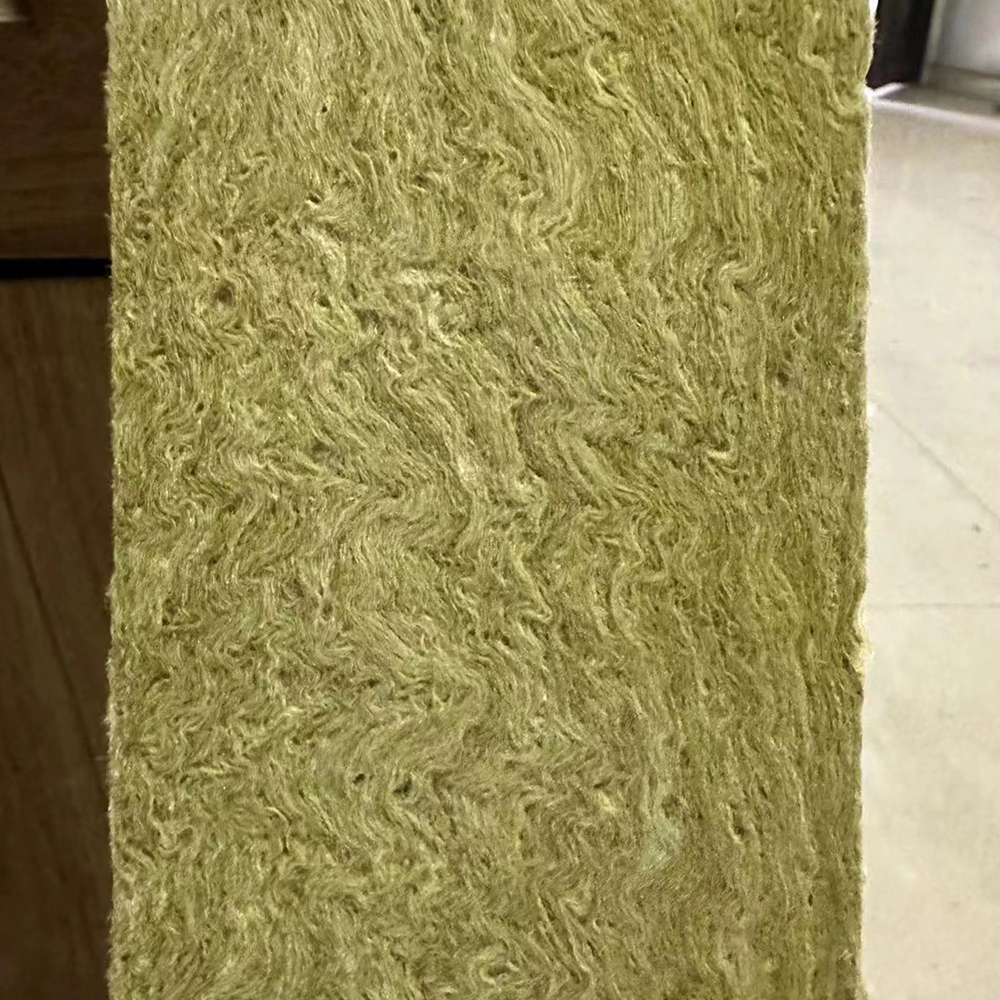
Is rockwool safe for lungs?
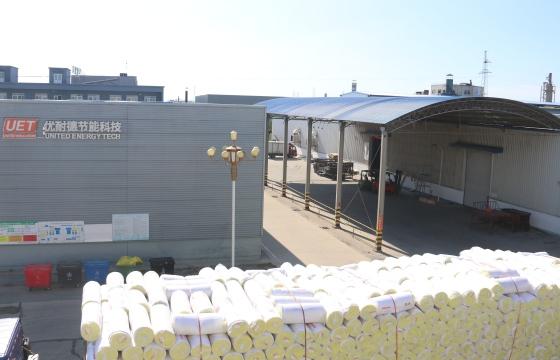
A Comprehensive Comparison of Sound Insulation and Thermal Insulation in Buildings: Glass Wool vs. Rock Wool - Sound Absorption Performance, Fire Resistance Rating, and Cost-Effectiveness
What are the side effects of rockwool?
Is rockwool water proof? insulation rock wool rock wool safe n sound faced rock wool insulation
United Insulation Successfully Exports High-Performance Rock Wool Boards to Saudi Arabia, Supporting Fire Protection and Energy Efficiency Upgrades in Buildings
Is rockwool safe for lungs?
A Comprehensive Comparison of Sound Insulation and Thermal Insulation in Buildings: Glass Wool vs. Rock Wool - Sound Absorption Performance, Fire Resistance Rating, and Cost-Effectiveness
contact us