









How is Glass Wool Made? From Raw Materials to Finished Insulation Products
2026-04-06
Glass wool is considered one of the most extensively utilized building insulators throughout the world. "How exactly is glass wool made?" This question pops up quite often from customers asking about our products. For 20 years as a professional exporter of glass wool and rock wool, United Insulation Company provides a detailed overview of the production process of our products.
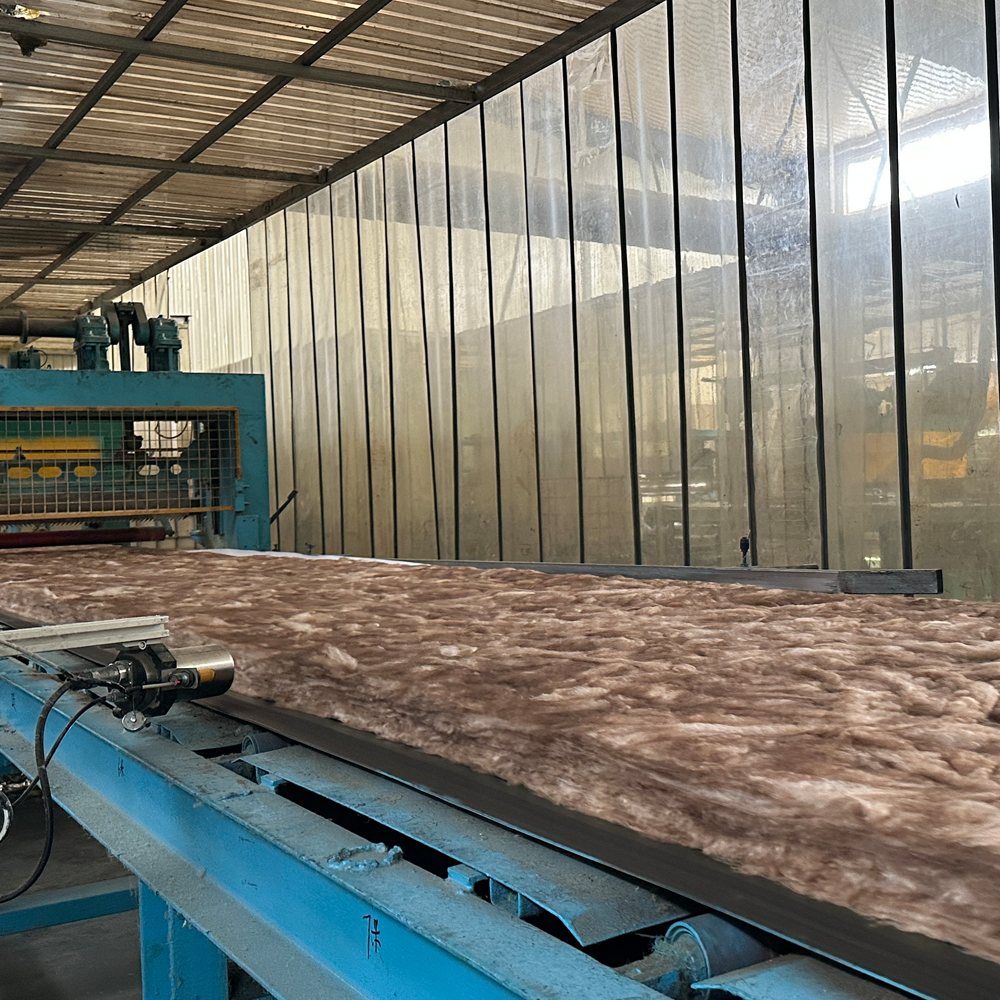
Key stages of glass wool production:
1.Raw materials preparation: The principal raw materials for glass wool manufacturing consist of glass powder (from 60-80% of recycled glass bottles), quartz sand, limestone, soda ash, and borax. All raw materials are combined according to certain ratios in order to create glass batches.
2.High-temperature melting: Melting process takes place in a furnace at temperatures between 1400 and 1500 ℃. Melting is the stage of manufacturing that requires maximum consumption of energy.
3.Centrifugal spinning: This stage is the core of the whole process. Molten glass enters a centrifuge rotating at high speed, thus becoming glass fibers with diameters ranging from 3 to 8 micrometers due to the centrifugal force and hot airflow.
4.Adhesion and Cure: The resin adhesive used is formaldehyde-free, environmentally-friendly, and is sprayed evenly on the fibers; subsequently, the fibers are cured in a curing oven between 180 and 250 degrees Celsius to become fluffy cotton-like felt.
5.Cutting and Laminating: They can be cut to desired dimensions such as rolls, sheets, or pipes and laminated using aluminum foil, black felt, fiberglass cloth, and other lining materials before packaging and delivery.
The glass wool fiber produced by United Insulation uses advanced international centrifugal spinning technology. Compared to others, their product has the advantage of being longer, more pliable, dust-free, and possessing a high water repellency rate. The products have obtained many certifications such as .
FAQ 1: Is glass wool raw material eco-friendly?
Glass wool is very eco-friendly because it mostly contains recycled glass. Therefore, it is an environmentally friendly insulation material.
FAQ 2: Does the glass wool production process generate formaldehyde?
Mostly, modern processes do not involve formaldehyde or other chemicals in their adhesives but use eco-friendly ones. United Insulation guarantees that its products emit zero or little formaldehyde and have met A+ indoor air quality requirements.
FAQ 3: What is the difference between centrifugal glass wool and flame-blown glass wool?
Centrifugal method gives much longer fibers and, hence, provides better insulation and acoustic properties than other types. It is thus preferred in the manufacture of high-quality glass wool products.
FAQ 4: How is quality controlled during the glass wool manufacturing process?
The quality of each product is checked through several quality parameters such as fiber diameter, density, thermal conductivity, and water repellency to ensure compliance with international standards.
FAQ 5: What are the differences between glass wool and rock wool manufacturing?
Glass wool is mainly made from sand and recycled glass, while rock wool is mainly made from minerals such as basalt. The production temperature and fiber characteristics also differ slightly.
Need high-quality glass wool rolls, sheets, or pipe shells? Contact United Insulation. With our transparent manufacturing processes and 20 years of experience, we provide the most reliable insulation solutions!
Related Blog
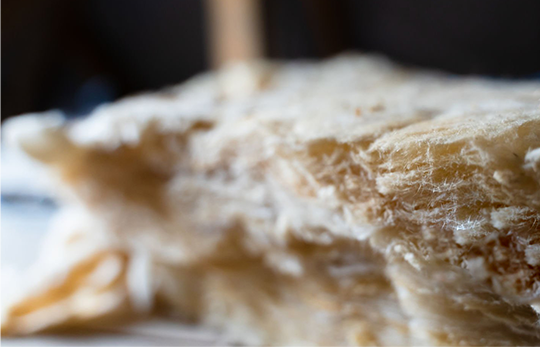
United Insulation to Exhibit Thermal Insulation Materials at International Builders' Show (IBS) Las Vegas 2025
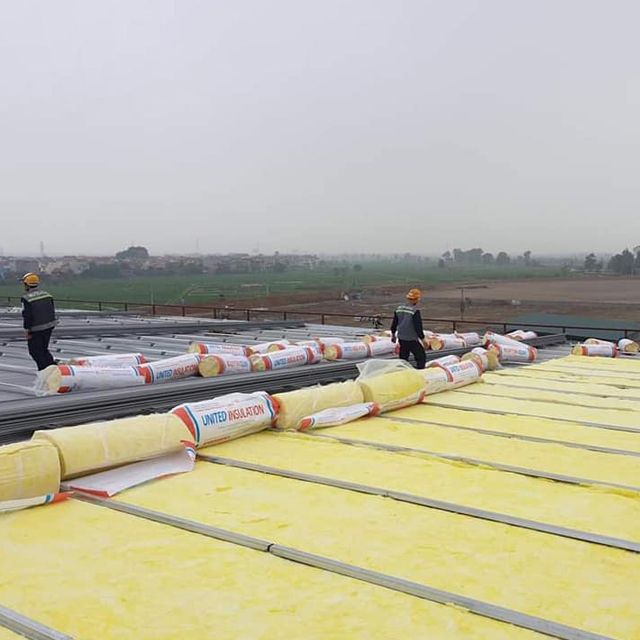
United Insulation Exhibits Thermal Insulation Materials at Edifica Expo 2024 Santiago Chile
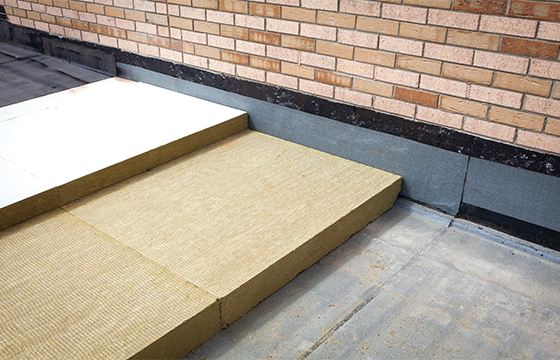
Global thermal insulation building materials industry trends ——Analysis of glass wool, rock wool and rubber and plastic market trends
United Insulation to Exhibit Thermal Insulation Materials at International Builders' Show (IBS) Las Vegas 2025
United Insulation Exhibits Thermal Insulation Materials at Edifica Expo 2024 Santiago Chile
Global thermal insulation building materials industry trends ——Analysis of glass wool, rock wool and rubber and plastic market trends
contact us