









Can you touch glass wool
2025-10-13
You can touch glass wool, but really you shouldn't: direct skin contact is disagreeable and should be avoided.

Why You Should Avoid Touching Glass Wool?
It is this physical nature of the material itself that causes discomfort:Skin Irritation - Fiberglass Itch This is the most common reaction. Glass wool consists of millions of minuscule, brittle glass fibers. These microscopic slivers may embed themselves in the top layers of your skin to cause a red, itchy, and irritating rash. It feels similar to a bad case of poison ivy.
Mechanical Irritation, Not Allergic: The "itch" is a mechanical reaction, not an allergic one normally. The fibers are physically irritating your skin. This means anyone who touches it will likely be affected, though sensitivity can vary from person to person.
Persistence: Because the fibers can be difficult to wash off, they can continue to irritate until they are removed or work their way out of the skin.
What to Do If You Touch It Inadvertently?
If you get glass wool on the skin, avoid rubbing or scratching it because the fibers can break and be pushed in deeper.
Rinse with Cold Water: Take a shower or wash under a strong stream of cold water-not hot, as it opens your pores and traps fibers.
Cleaning: Use soap and cold water, washing gently with your hands. Some people recommend using a washcloth, but avoid harsh scrubbing in the beginning.
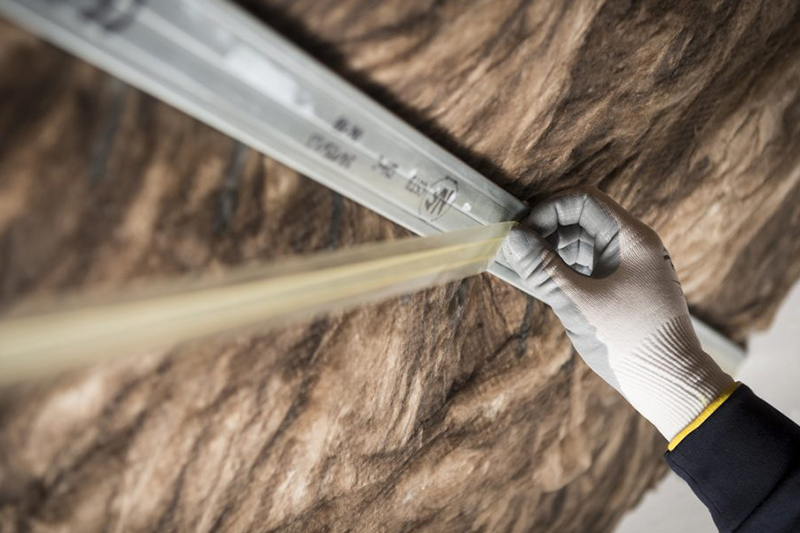
Another very effective remedy--the "tape trick"--is to use sticky tape like duct tape or packing tape: press the tape onto the skin and pull it off. The hope is that this will pull the tiny, embedded fibers out.
Take a Cool Shower: Immediately after handling, take a cool shower to rinse off residual fibers. First let the water run down your body, without using a washcloth, so you can avoid spreading the fibers.
How to Handle Glass Wool Safely?
Whenever you are working with glass wool insulation, proper safety gear is required:
Wear Gloves: Durable work gloves are a must.
Wear Long Sleeves and Pants: Cover as much skin as possible. Tuck your sleeves into your gloves and your pants into your socks.
Wear Eye Protection: Safety glasses or goggles will protect your eyes from falling or airborne fibers. Wear a Dust Mask / Respirator: Although touch is a skin problem, cutting or otherwise disturbing old insulation can send its fibers into the air, and you don't want to inhale it. Work in a well-ventilated area; this helps dissipate all airborne particles.
Summary: While a brief, accidental touch is not dangerous, it is very uncomfortable. Glass wool is designed to trap air, and the nature of its physical structure makes it an irritant to skin. Always use appropriate personal protective equipment, or PPE, when handling it.
Related Blog
what are the benefits of glass wool?
Can glass wool get wet?
The Revolution of Changes in Glass Wool Raw Materials: From Traditional Formulas to a purer Future
What is glass wool used for?

Things about R-value
Is glass wool insulation any good?
Glass Wool Insulation Batts
United Insulation Company has launched the next-generation fireproof insulation board suitable for high-rise buildings
A Comprehensive Guide to Glass Wool Soundproofing

Unlock Global Quality: Your Trusted Fiberglass Solutions from United Insulation
Things to Remember Before Home Installation of Glass Wool
What is glass wool blanket?
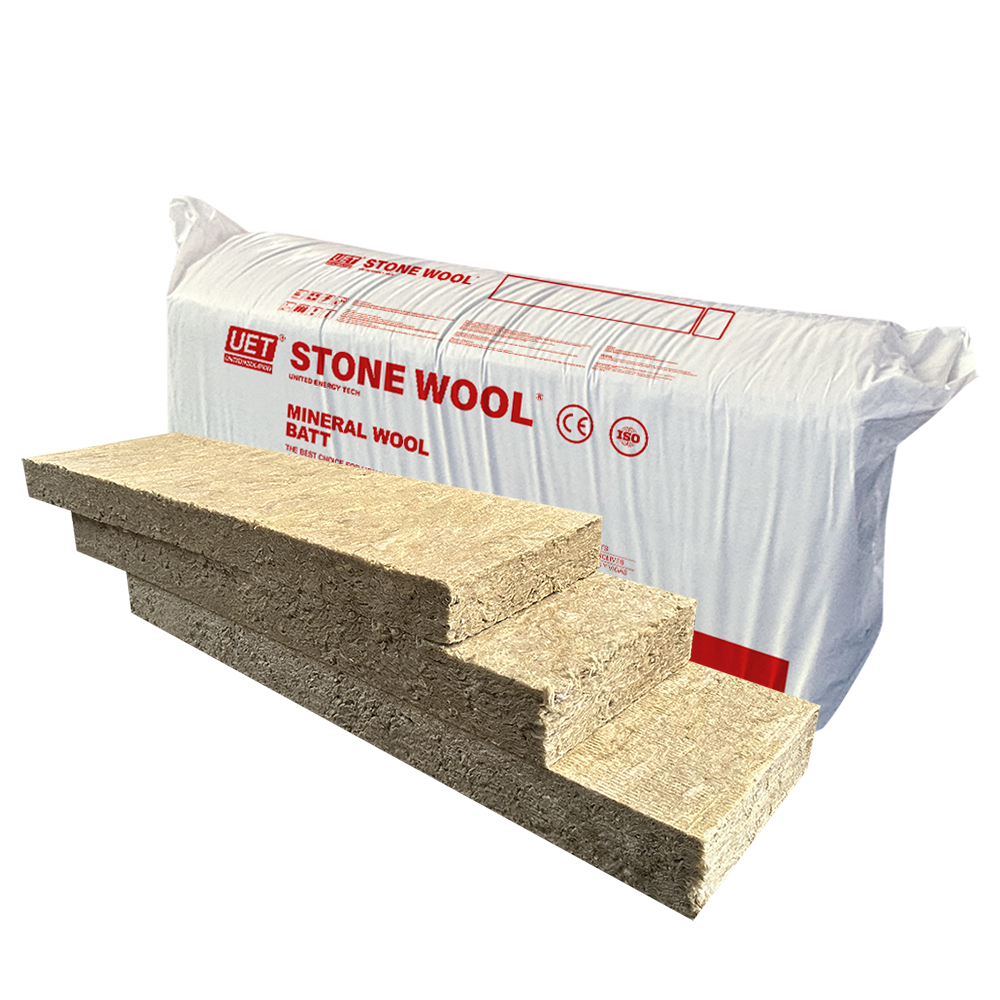
UET rock wool batt: high-efficiency and energy-saving insulation material
what are the benefits of glass wool?
Can glass wool get wet?
The Revolution of Changes in Glass Wool Raw Materials: From Traditional Formulas to a purer Future
What is glass wool used for?
Things about R-value
Is glass wool insulation any good?
Glass Wool Insulation Batts
A Comprehensive Guide to Glass Wool Soundproofing
Unlock Global Quality: Your Trusted Fiberglass Solutions from United Insulation
Things to Remember Before Home Installation of Glass Wool
What is glass wool blanket?
UET rock wool batt: high-efficiency and energy-saving insulation material
contact us