








Does Glass Wool Cause Cancer? An Evidence-Based Look
2025-10-20
Does fiberglass insulation (glass wool) cause cancer? Scientists and health organizations have pursued that question for decades. The short answer, based on current scientific consensus, is:
No, there is no strong evidence of glass wool causing cancer in humans if handled according to the standard safety guidelines.
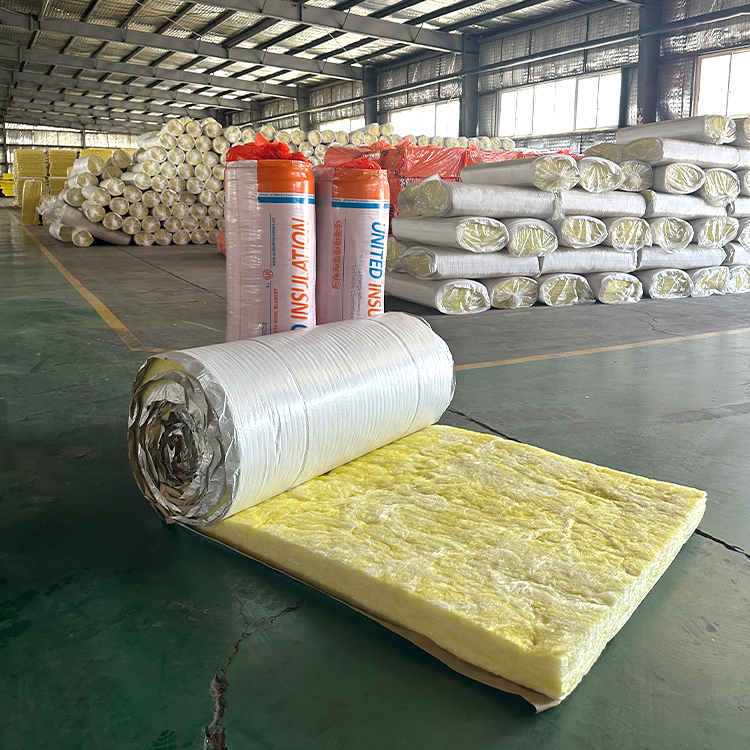
Here's a deeper look at the science and the classifications behind this conclusion.
The Key Difference: "Biopersistence"
Biopersistent: not easily broken down by natural processes in the lungs, these fibers can remain stuck in the lungs for several decades, thereby potentially inducing chronic inflammation and cell damage that may result in cancer.
Modern glass wool fibres are made to be less biopersistent. Their chemical composition is similar to window glass. When inhaled, the slightly acid environment of the lung can dissolve these fibers, or break them down into smaller pieces that can be removed by the body.
Official Classifications by Health Authorities
Major international health agencies provide the most reliable information. Here's how they classify glass wool:
International Agency for Research on Cancer (IARC):
Some insulation wools have been classified by the IARC, which is a part of WHO.Glass Wool is classified as "Group 3: Not classifiable as to its carcinogenicity to humans."This means that the available evidence does not allow for a conclusion that it is carcinogenic to humans. It is a category of evidence, not risk.
Other Authorities: Other major bodies have reached similar conclusions and generally state that glass wool is "not classifiable" or "not a known human carcinogen." These include NTP and EU.
Note: Glass wool must be clearly differentiated from Refractory Ceramic Fibres (RCFs), which are used in industrial applications at far higher temperatures. RCFs are more biopersistent and classified by IARC under "Group 2B: Possibly carcinogenic to humans." These are different from the glass wool installed in households for insulation.
The Real-World Risk: Installation and Dust
Although glass wool is not considered a carcinogen, it is a physical irritant. The health risks most associated with installation are:Skin, eye, and lung irritation: Small glass fibers can give rise to itching, redness, and temporary respiratory effects such as sore throat and coughing.
Dust Inhalation: The risk comes from the inhalation of high levels of fibers when airborne, during activities like cutting or disturbing old insulation without protection.
Practical Safety Advice
The following safety practices need to be observed any time one is handling glass wool since it is an irritant and can thus pose a risk:
Wear a Mask: Use a basic dust mask (NIOSH N95) to prevent inhaling fibers.
Wear Gloves and Long Sleeves: This prevents the fibers from embedding in your skin and causing "fiberglass itch."
Wear Eye Protection: Safety glasses prevent fibers from irritating your eyes. Work in a well-ventilated area: open windows and use fans to blow away the dust in the air. After Handling: Wash your hands and arms with cold water (hot water opens pores and can trap fibers) and wash your work clothes separately.
Conclusion Decades of scientific research and reviews from international health organizations confirm that glass wool insulation is not a cause of cancer. The behavior of its fibers in the human body is fundamentally different from asbestos. The main health effects are temporary irritation to skin, eye, and upper respiratory tract, which can be completely prevented by the use of proper PPE during installation. For homeowners who reside in a house with installed and undisturbed insulation that has been covered by walls or drywall, there is no health risk since the fibers are completely contained and thus cannot become airborne.
Related Blog
what are the benefits of glass wool?
Can glass wool get wet?
The Revolution of Changes in Glass Wool Raw Materials: From Traditional Formulas to a purer Future
What is glass wool used for?
Things about R-value
Is glass wool insulation any good?
Glass Wool Insulation Batts
United Insulation Company has launched the next-generation fireproof insulation board suitable for high-rise buildings
A Comprehensive Guide to Glass Wool Soundproofing

Unlock Global Quality: Your Trusted Fiberglass Solutions from United Insulation
Things to Remember Before Home Installation of Glass Wool
What is glass wool blanket?
UET rock wool batt: high-efficiency and energy-saving insulation material
what are the benefits of glass wool?
Can glass wool get wet?
The Revolution of Changes in Glass Wool Raw Materials: From Traditional Formulas to a purer Future
What is glass wool used for?
Things about R-value
Is glass wool insulation any good?
Glass Wool Insulation Batts
A Comprehensive Guide to Glass Wool Soundproofing
Unlock Global Quality: Your Trusted Fiberglass Solutions from United Insulation
Things to Remember Before Home Installation of Glass Wool
What is glass wool blanket?
UET rock wool batt: high-efficiency and energy-saving insulation material
contact us