







What is the healthiest insulation for a house?
2025-12-19
2025: The trend is changing, where more and more homeowners are asking the question, "Which insulation material is healthiest for my family, one that does not release formaldehyde and does not cause cancer?
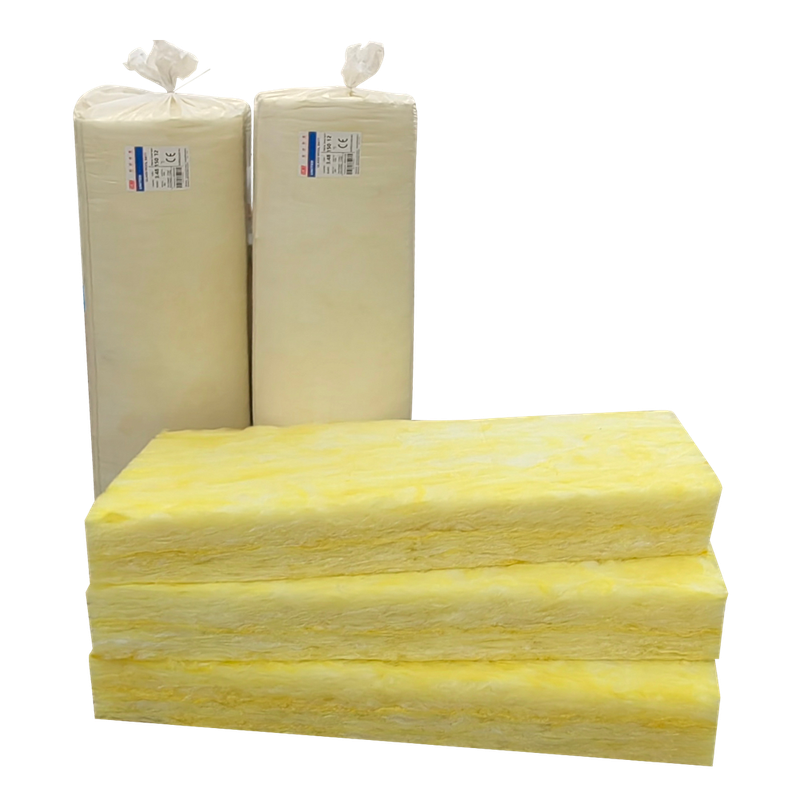
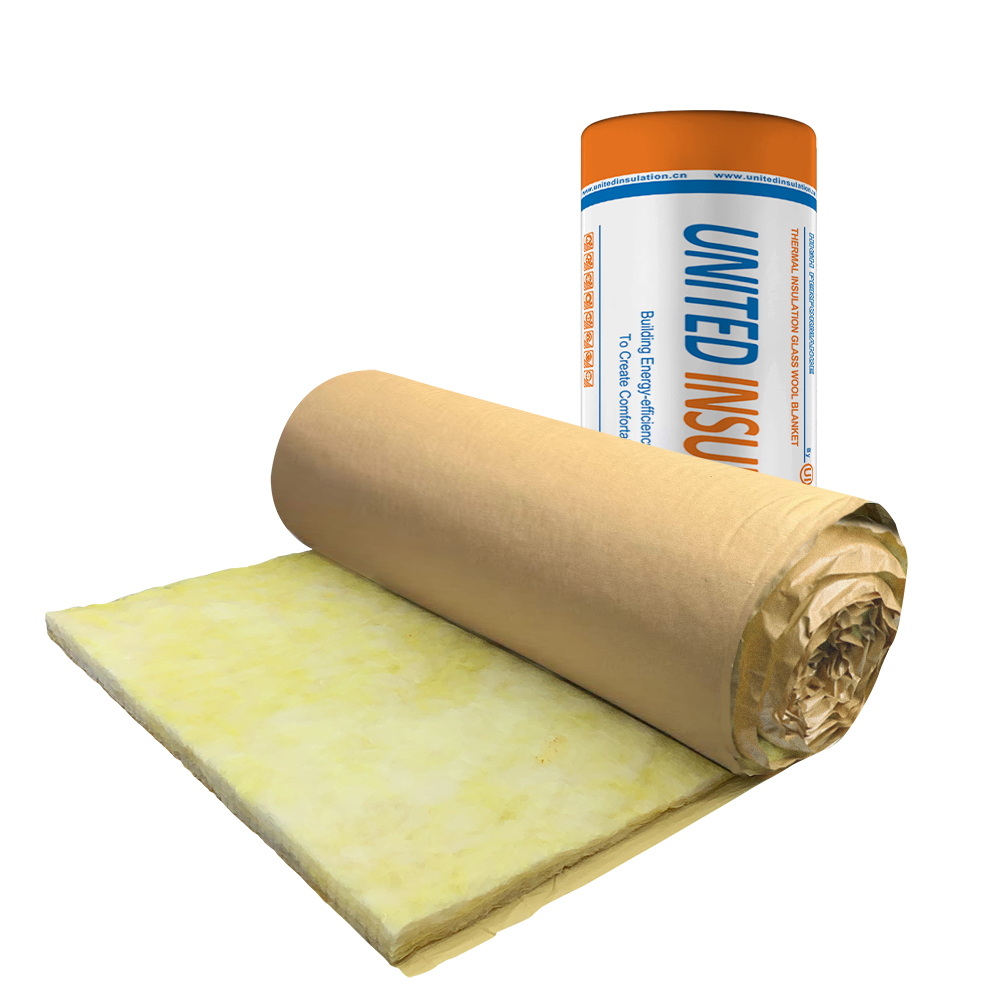
United Insulation provides the most straightforward response: Glass wool and rock wool both are the healthiest home insulation materials due to the fact that:
1.Zero formaldehyde and zero organic matter:
High-end glass wool and rock wool have fully adopted formaldehyde-free resins, including even plant-based binders. Meets the European standard Eurofins A+ and US GREENGUARD Gold certification. Indoor TVOC emission is near zero and superior to spraying polyurethane, phenolic board, and XPS extruded board.
2.Asbestos-free, non-carcinogenic:
Since the 1980s, the diameter of glass wool/rock wool fibers has all been >3.5 microns (biosoluble fibers). In 1998, the EU officially declared it "safe to use and non-carcinogenic" (Directive 97/69/EC). The same conclusion was given by US OSHA and WHO.
3.Anti-mold, antibacterial, and insect-proof:
Inorganic materials that do not provide a food source for mold, mites, and termites maintain clean indoor air over the long term.
4.Actual Certification Comparison:
- Glass wool/Rock wool: EU CE, A+ indoor air quality, GREENGUARD Gold;
- Polyurethane/Phenolic: High levels of isocyanate and free formaldehyde during construction;
- Wood fiber/Wool: Prone to moisture absorption and mold growth, attracts insects.
United Insulation exports glass wool and rock wool that all meet the strictest EU indoor air quality standards. They have been applied in Australian 7-star green buildings. Millions of families have zero health complaints for 20 years.
Conclusion: If one had to take only one insulation material for being healthy for your whole family, then it should be glass wool or rock wool. They are performance kings and also "breathable inorganic guardians."
Need zero-formaldehyde, GREENGUARD Gold certified glass wool rolls/boards, rock wool, or high-density products for passive houses? Welcome to contact United Insulation to truly make your home "warm and lung-nourishing"!
Related Blog
United Insulation's complete range of glass wool products has formally achieved the CodeMark certification by New Zealand and Australia and is the first glass wool manufacturer in China to gain this certificate
United Insulation Officially Passes ISO 9001, ISO 14001 and ISO 45001 International Management System Certifications, Achieving Highest Global Standards in Quality Management
United Insulation Glass Wool products have passed the Malaysian SIRIM QAS certification and fully entered the ASEAN high-end building market
United Insulation's complete range of glass wool products has formally achieved the CodeMark certification by New Zealand and Australia and is the first glass wool manufacturer in China to gain this certificate
United Insulation Officially Passes ISO 9001, ISO 14001 and ISO 45001 International Management System Certifications, Achieving Highest Global Standards in Quality Management
United Insulation Glass Wool products have passed the Malaysian SIRIM QAS certification and fully entered the ASEAN high-end building market
contact us